About
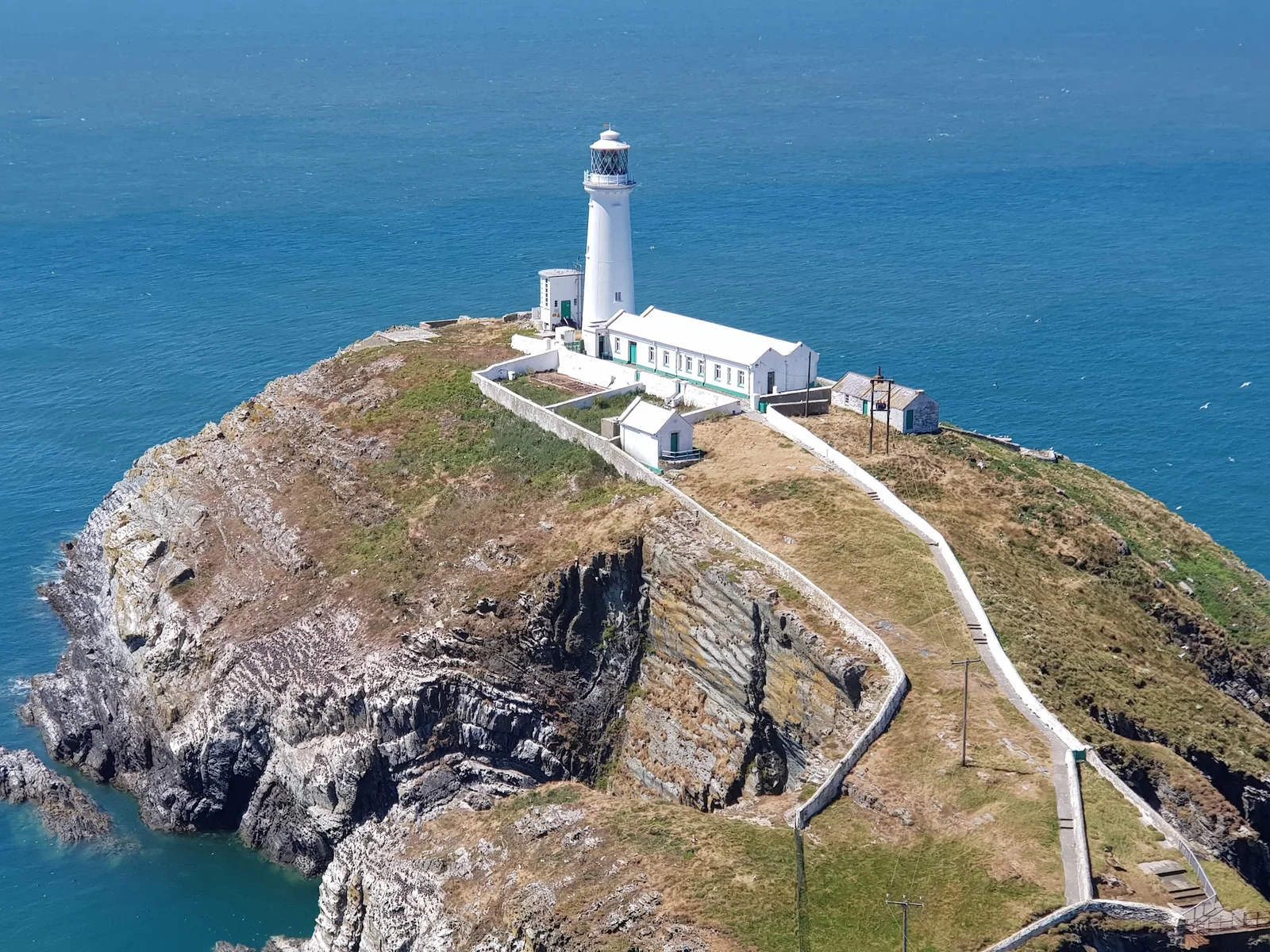
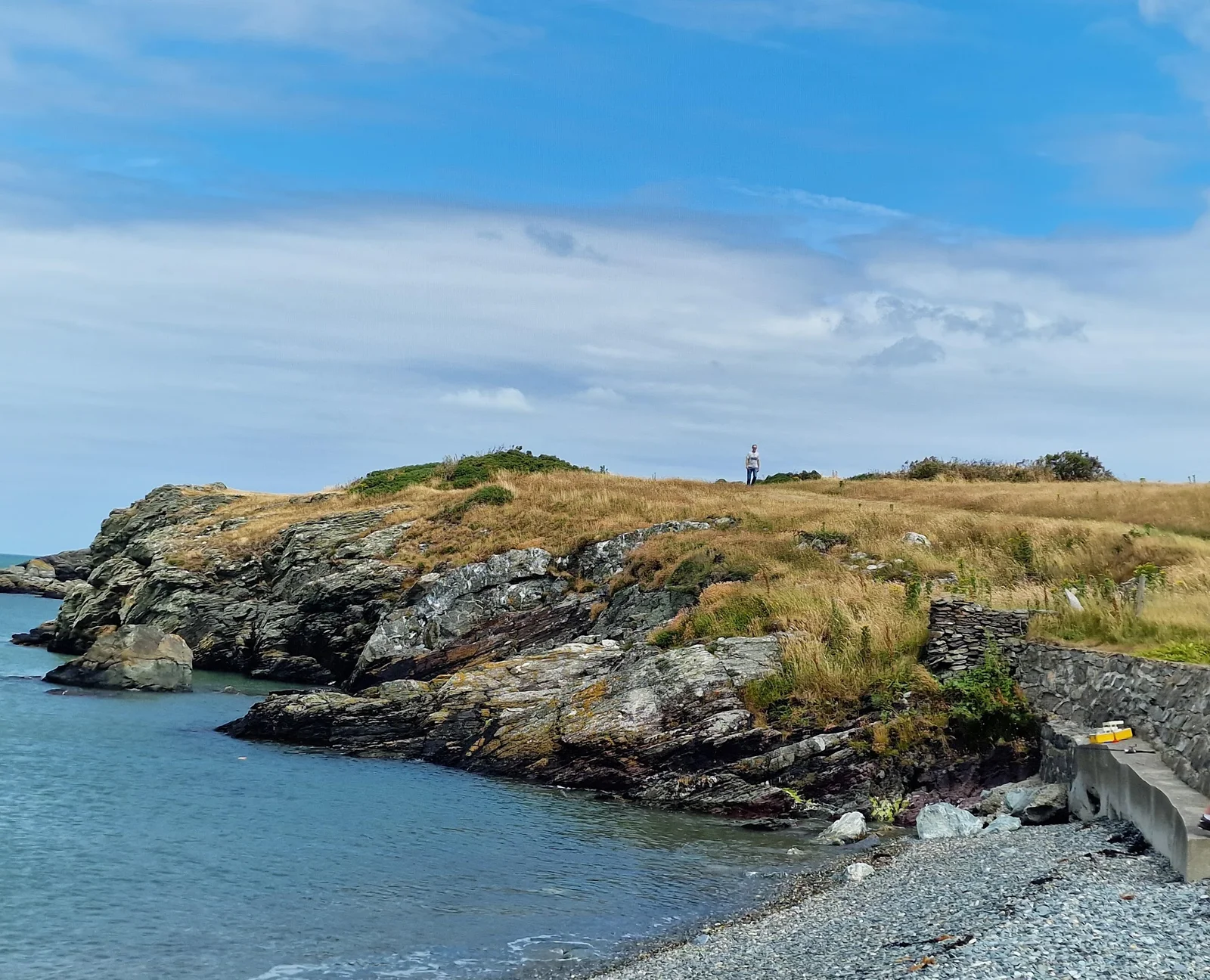
Cemlyn Bay on the north coast holds one of the UK's largest Sandwich tern colonies, with hundreds of pairs nesting on the shingle bar that encloses the lagoon from May through July — a genuinely extraordinary wildlife spectacle within minutes of the car park. The circular walk around the bay takes about an hour, following the shingle bar in one direction and the higher headland path back, with views north to the Skerries lighthouse and west toward Holyhead Mountain. The lagoon is managed by the North Wales Wildlife Trust; Slavonian grebes overwinter on the water and waders work the scrapes in autumn.
Suitable for
Accessibility
Getting there & parking
Frequently asked questions
When are the terns at Cemlyn Bay?
Sandwich terns arrive from late April and are present through to July. Peak activity is May–June when chicks are being raised. Keep to the headland path and do not walk on the shingle bar during this period.
What other birds can I see at Cemlyn?
Year-round: shelduck, oystercatcher, redshank, and little egret. Winter: Slavonian grebe, divers, and wildfowl on the lagoon. Autumn: wader passage including wood sandpiper and curlew sandpiper.
Is Cemlyn Bay suitable for beginners to birdwatching?
Yes — the tern colony in summer requires no specialist equipment, just patience and a willingness to stay quiet near the shingle bar. The spectacle of hundreds of terns is spectacular even without binoculars.
Tagged