Stand at Cemaes Head on a clear day and you can count the Hebrides. That's north Anglesey for you — open, elemental, and just far enough from the A55 to thin the crowds to almost nothing. This is the island at its most unfashionable and, for the right traveller, its most rewarding.
Amlwch (the county's second town after Holyhead) was once, improbably, a world city: at the peak of the copper boom in the 1780s, the Parys Mountain mines were producing a third of the world's copper supply and Amlwch Port — hand-carved from solid rock — was the busiest mineral-shipping harbour in Britain after Bristol. The mines are long closed, but the landscape they left behind is extraordinary: an ochre-and-purple moonscape of oxidised minerals and open shafts that sits freely accessible on the hillside, one of the most visually striking industrial ruins in Wales.
The coast between Amlwch and the far north-western reaches of the island is lightly walked and dramatically beautiful. The Coastal Path here earns its reputation: cliff arches, sea caves, and headlands where the only sound is wind and guillemots. Church Bay (Porth Swtan), tucked into a fold in the northern cliffs, has a seafood pub — The Lobster Pot — that people drive from across the island to visit. Cemaes, the most northerly village in Wales, is a working harbour that has somehow kept its character through decades of tourism pressure.
Towns & villages in North

Amlwch
Former copper capital of the world, now a characterful harbour town
Explore →
Cemaes
The most northerly village in Wales. Working harbour, pretty cottages
Explore →
Bull Bay
Tiny cliff-top hamlet with the oldest golf course in Wales
Explore →
Church Bay
Secluded cove with one of Anglesey's best seafood pubs — The Lobster Pot
Explore →
Parys Mountain
Not a town — a landscape. Mars-like former copper mine you can walk freely
Explore →Things to do in North Anglesey
 Beach
BeachChurch Bay (Porth Swtan)
Church Bay, Anglesey
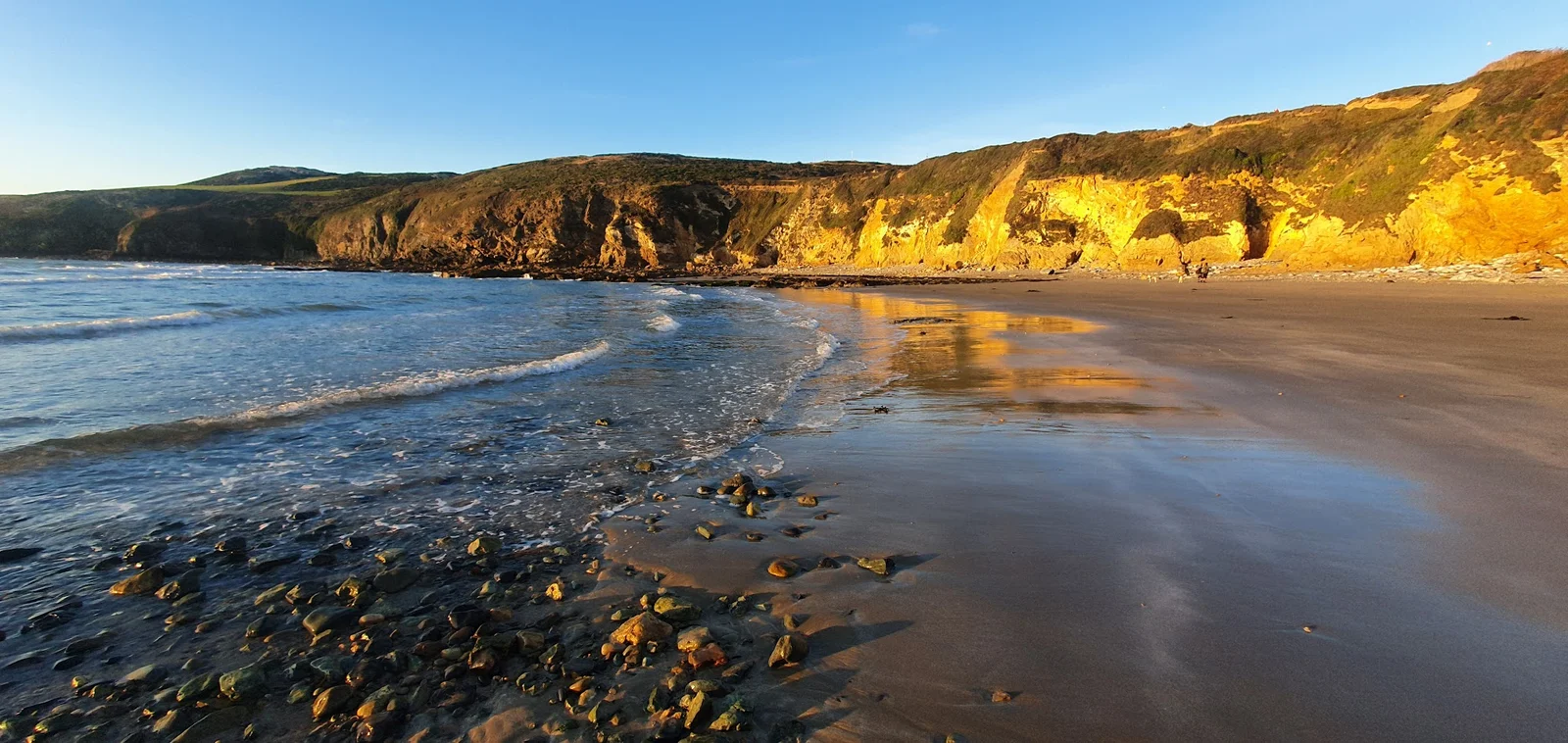
A secluded bay on the northwest coast tucked between headlands, Church Bay (Porth Swtan) feels genuinely remote despite being reachable by road — the kind of Anglesey beach where the car park empties on a Tuesday in July and the sand feels like it belongs to you.
See more →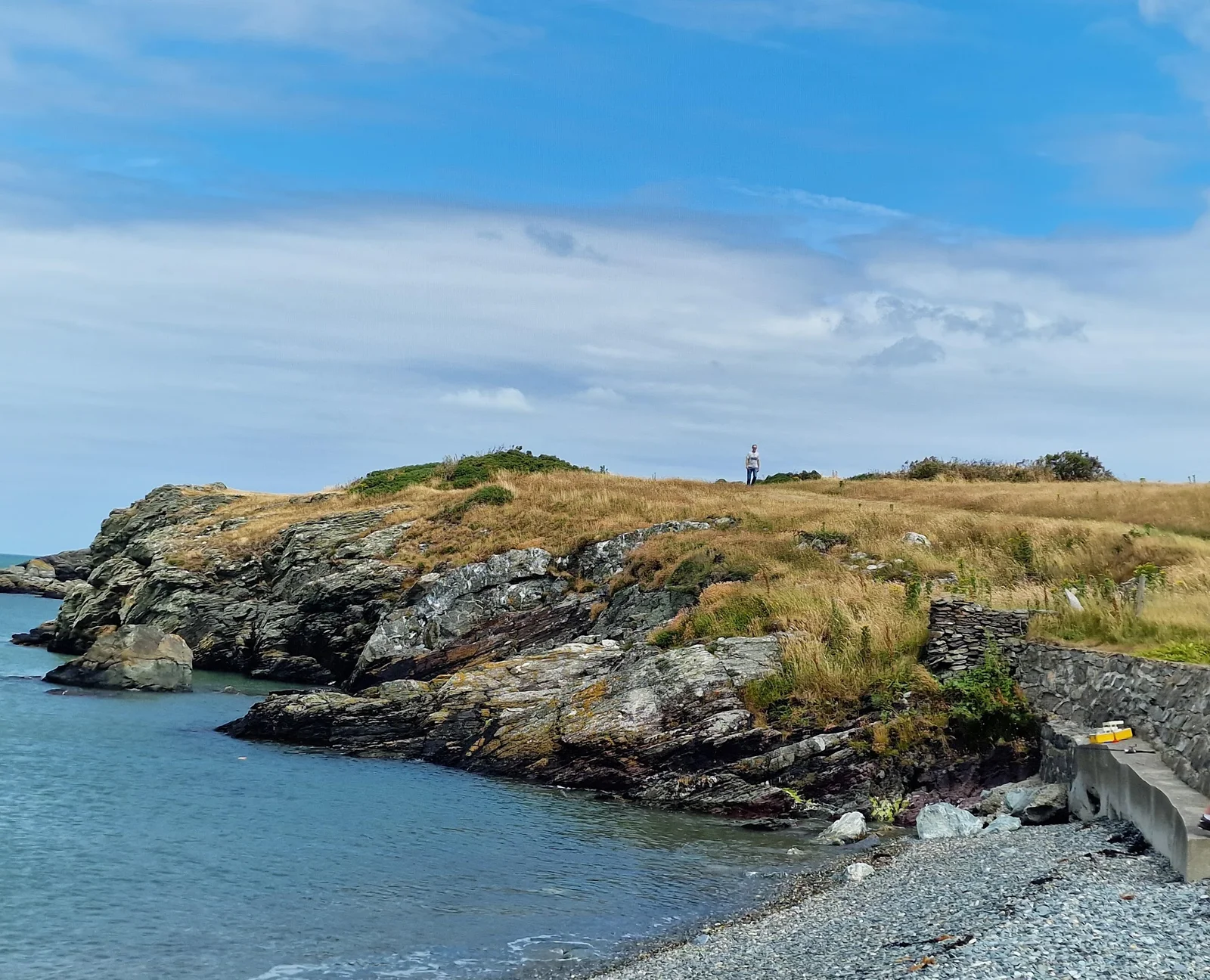 wildlife
Cemlyn Bay Nature Reserve
Cemlyn, Anglesey
Cemlyn Bay on the north coast holds one of the UK's largest Sandwich tern colonies, with hundreds of pairs nesting on the shingle bar that encloses the lagoon from May through July — a genuinely extraordinary wildlife spectacle within minutes of the car park.
See more → walking
Parys Mountain
Near Amlwch, Anglesey
The summit plateau of Parys Mountain (146 metres) above Amlwch presents a landscape so extraordinary it was used as a stand-in for Mars in early film productions — a post-industrial moonscape of ochre, rust-red, violet and acid-green spoil heaps pocked with mineral-stained pools, the skeletal remains of an 18th-century windmill, and the sheer walls of the Great Opencast, an excavation so vast it is visible from the main road miles away.
See more → Family
Melin Llynon Windmill
Llanddeusant, Anglesey
Melin Llynon at Llanddeusant in northwest Anglesey is the only working windmill in Wales, restored in 1986 from a derelict shell and now grinding flour with its original stone mechanism when the wind allows — producing wholemeal flour for sale on-site at a rate that remains unchanged from its 1776 construction date.
See more →Where to eat in North Anglesey
Browse all eat & drink on Anglesey →
Places to stay in North Anglesey
Available properties, each rated 8.0+ out of 10 by guests who stayed. Prices are for the dates shown — click through for live availability and to book.
 Exceptional 9.5+from 30 Oct
Quayside
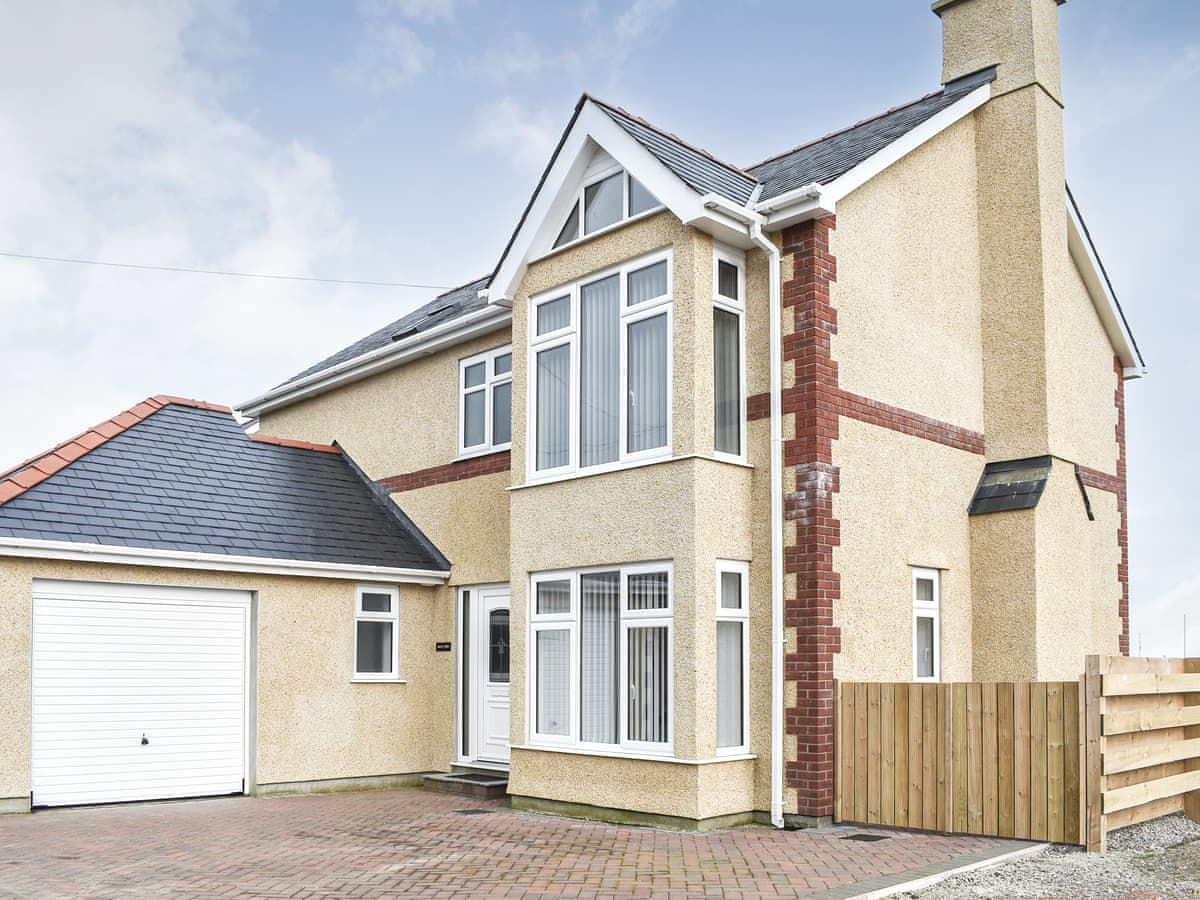 Exceptional 9.5+from 12 Nov
Awel Y Mor
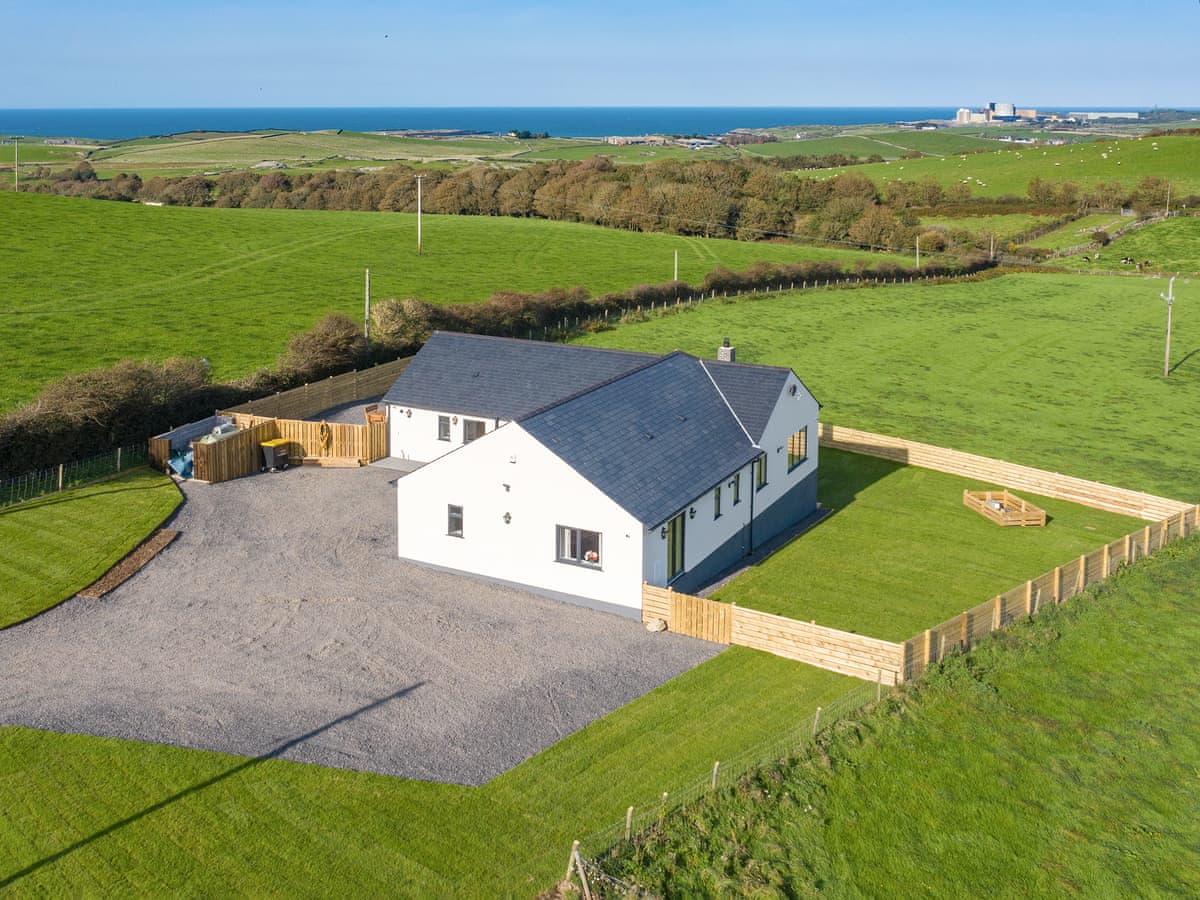 Exceptional 9.5+from 20 Nov
Y Angorfa - The Anchorage
We earn a commission if you book through these links, at no extra cost to you. It never affects which properties we show — the quality bar above is the only filter.
Where to stay in North Anglesey
Search live prices on Cottages.com — we earn a small commission at no extra cost to you.
27 available in October 2026 · 197 on Anglesey
Self-catering cottages, farmhouses and coastal retreats across Anglesey — book by the week or a short break.
Browse Cottages.com