Moelfre is the kind of village that earns its reputation entirely on merit. It is small — perhaps 400 people, a harbour, a slipway, a lifeboat station, and a scattering of cottages above the sea — but it carries history and character well beyond its size. The RNLI station here has one of the most decorated records of any in Wales: Richard Evans, coxswain from 1954 to 1970, won the RNLI Gold Medal twice, an honour given only four times in the institution's history. His portrait still hangs in the boathouse.
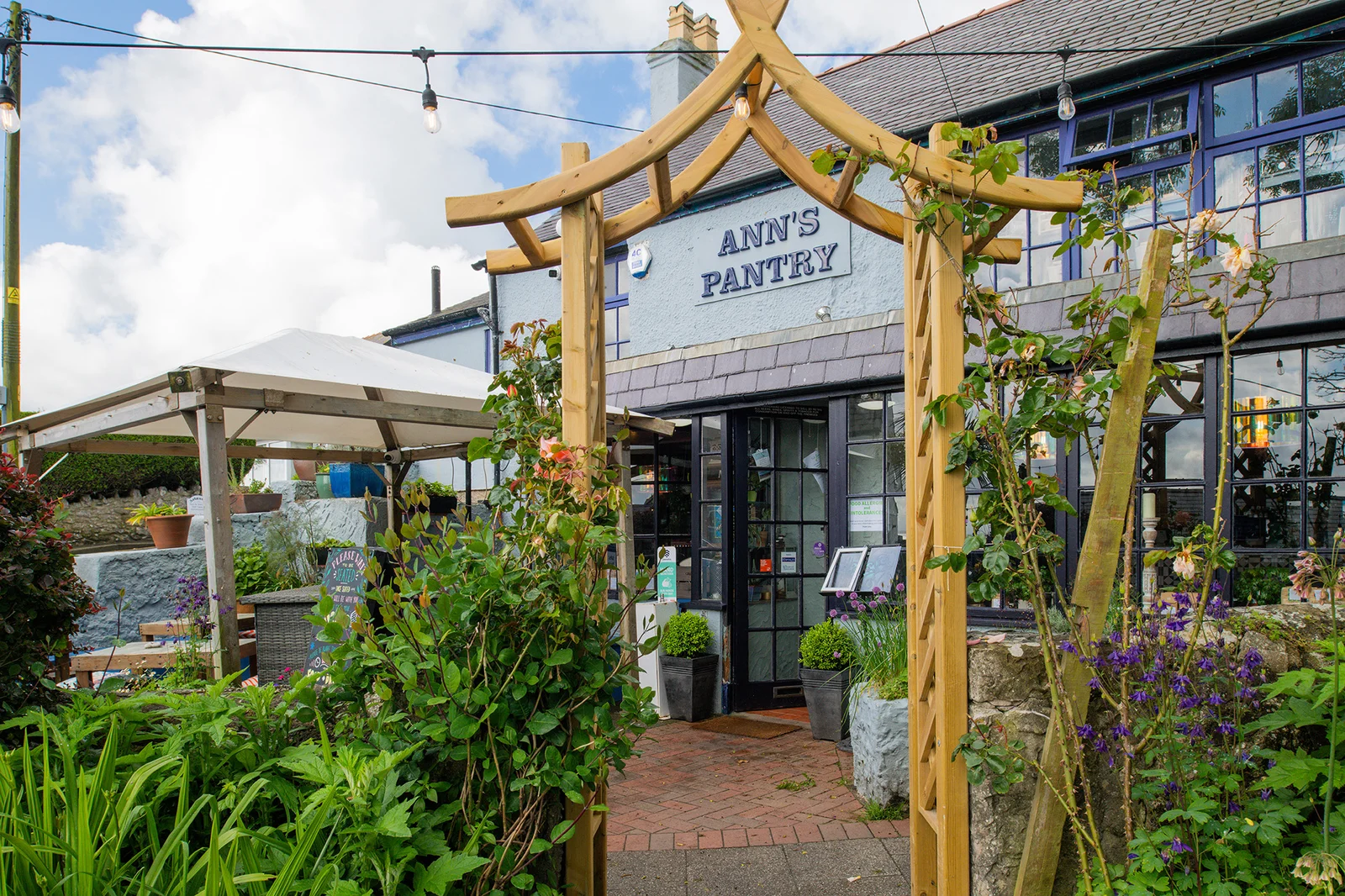
The harbour is working: crab and lobster pots are stacked on the quay, and the boats that go out also supply Ann's Pantry — the tiny café on the harbourside that has become famous across North Wales for crab sandwiches. The queue on summer weekends is the best measure of how good they are: people genuinely drive from the mainland.
A mile south along the Coastal Path is the site of the Royal Charter disaster (1859), when a gold-rush steam clipper returning from Australia sank in a hurricane with the loss of 450 lives, with the gold still aboard. A memorial near the path marks the location. Charles Dickens came to research the wreck and described it in The Uncommercial Traveller. The seabed has been declared a protected site.
The Coastal Path north toward Benllech and south toward Lligwy Beach is among the most pleasant walking on the island — low cliffs, clear water, few other walkers except in July and August.
Things to do near Moelfre
 Beach
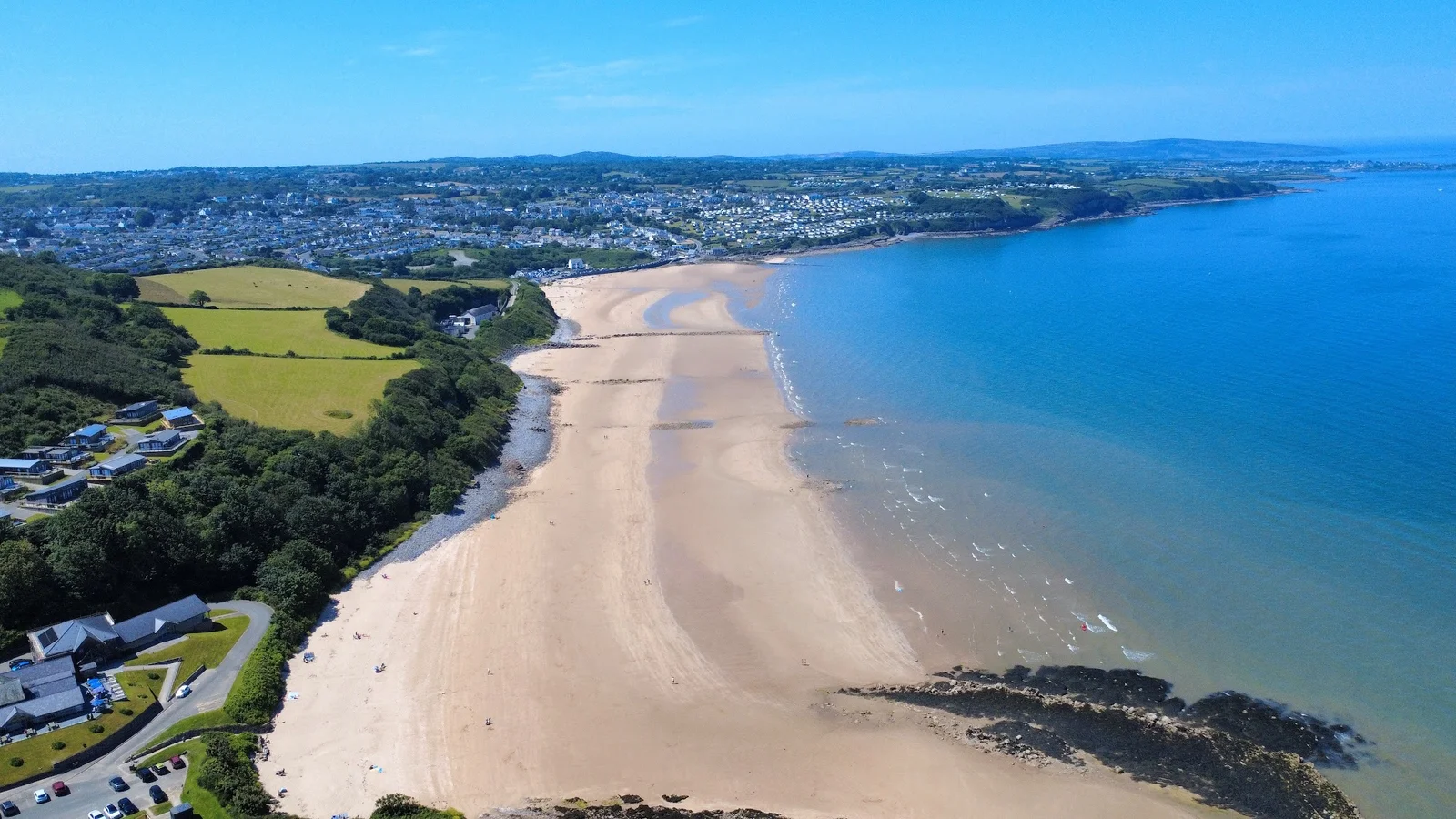
Beach Benllech Beach
A classic seaside beach on Anglesey's east coast with a long stretch of golden sand backed by low cliffs and a small car park right at the dune edge.
See more →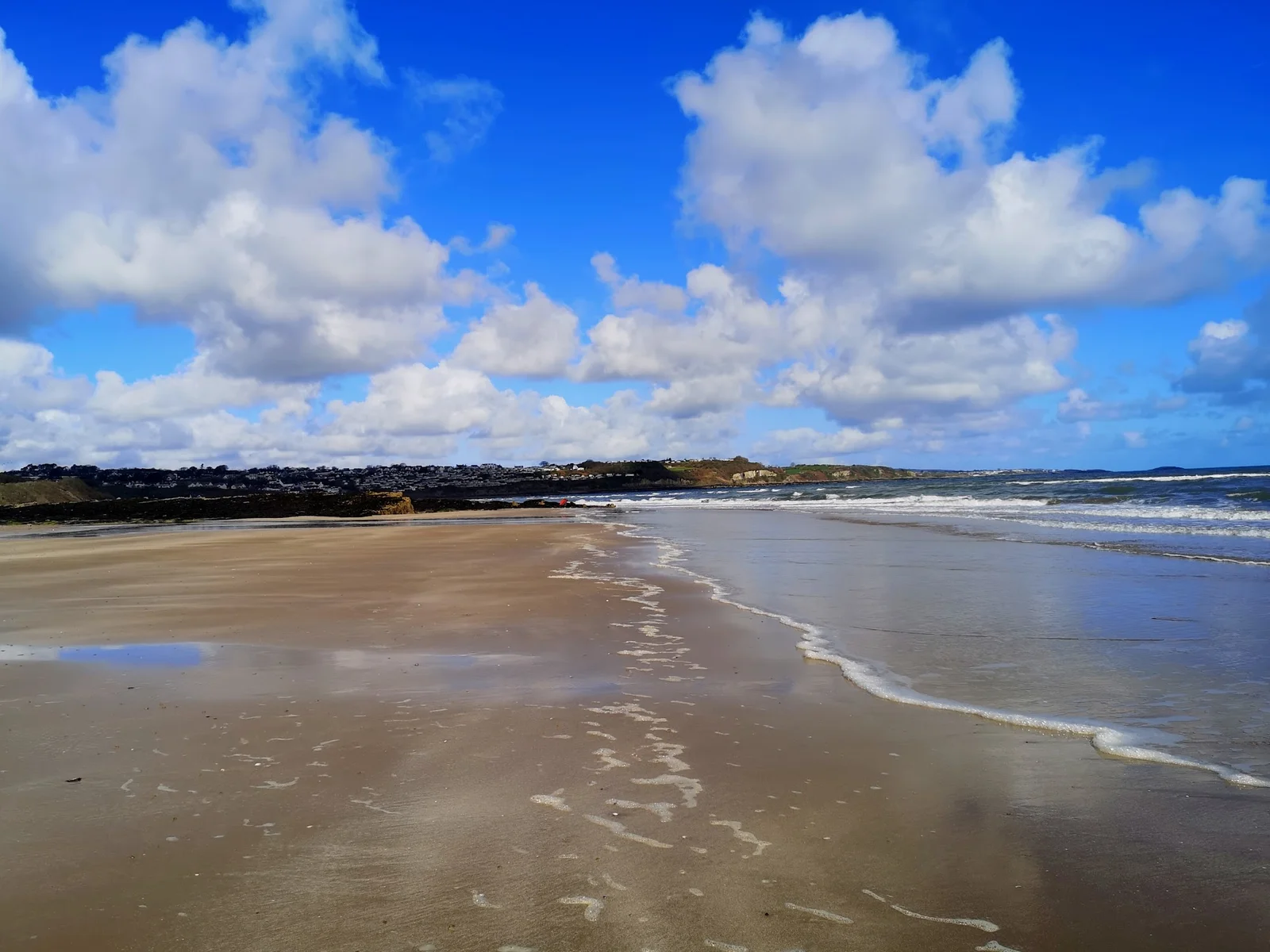 Beach
Beach Red Wharf Bay (Traeth Coch)
At low tide, Red Wharf Bay reveals one of the largest expanses of flat sand in Wales — over four miles of tidal flats where oystercatchers and curlews pick across the mud and the light turns extraordinary at dusk.
See more →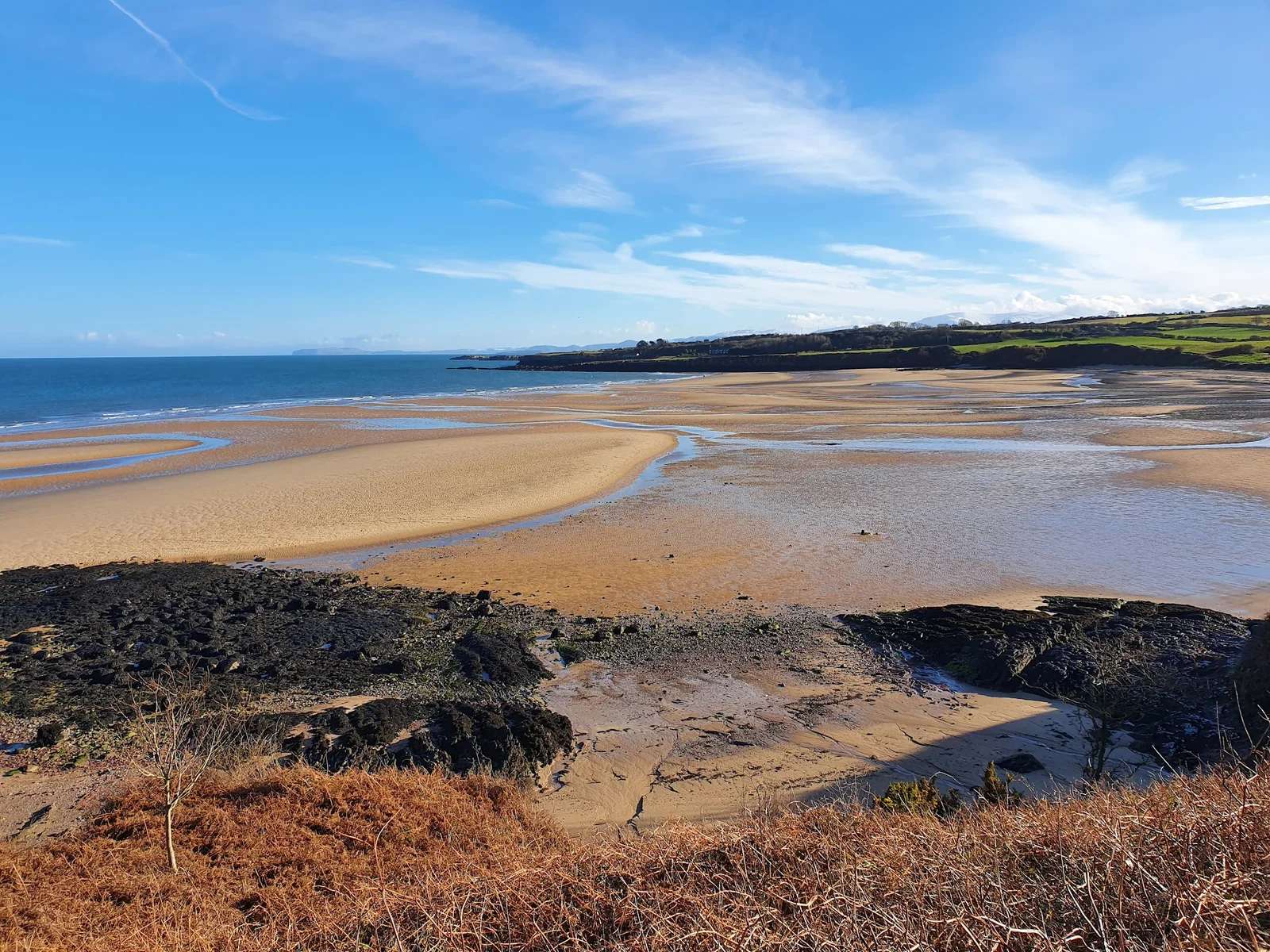 Beach
Beach Lligwy Beach
A broad, sheltered bay on the northeast coast near Moelfre, Lligwy Beach (Traeth Lligwy) is one of Anglesey's best-kept secrets: a wide arc of sand that faces north, backed by low dunes, and rarely crowded even in August when the more famous beaches are packed.
See more →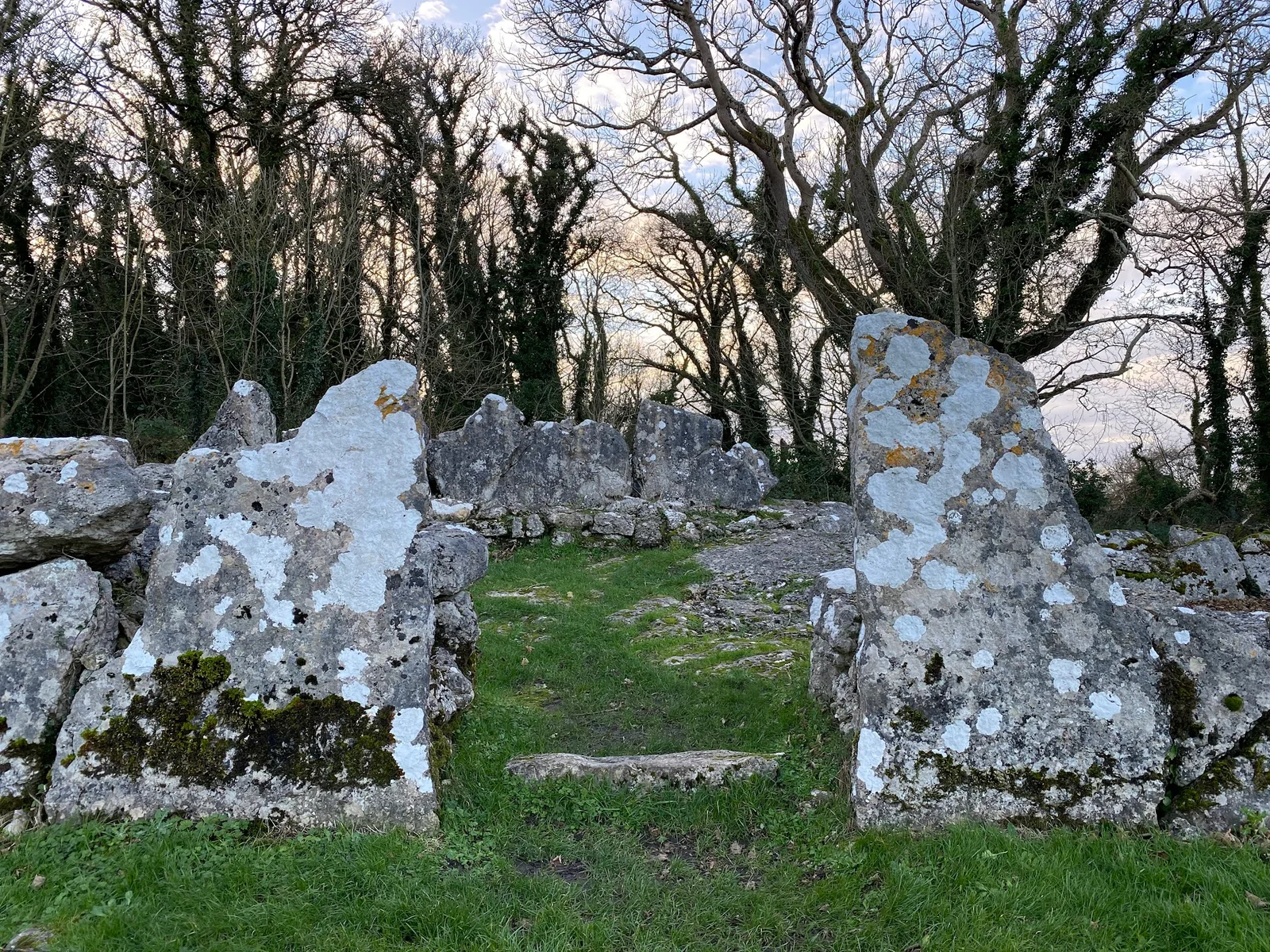 Heritage
 Din Lligwy Ancient Village
A late-Roman and early post-Roman enclosed settlement on the northeast coast near Moelfre, Din Lligwy preserves the stone walls of a 4th-century village in remarkable condition — enclosures and the footprints of both round and rectangular houses still legible on the ground after 1,700 years.
See more →