About
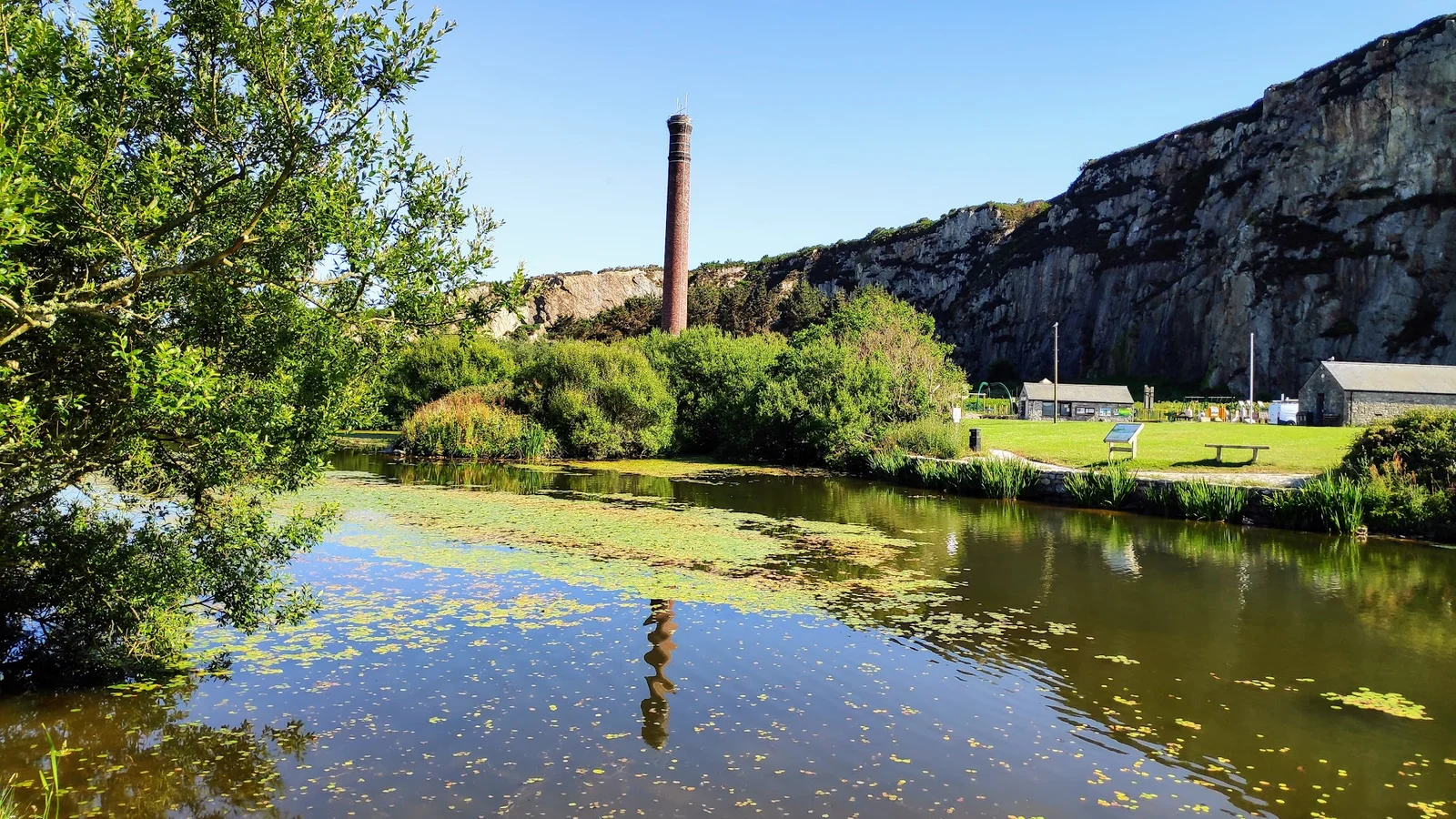
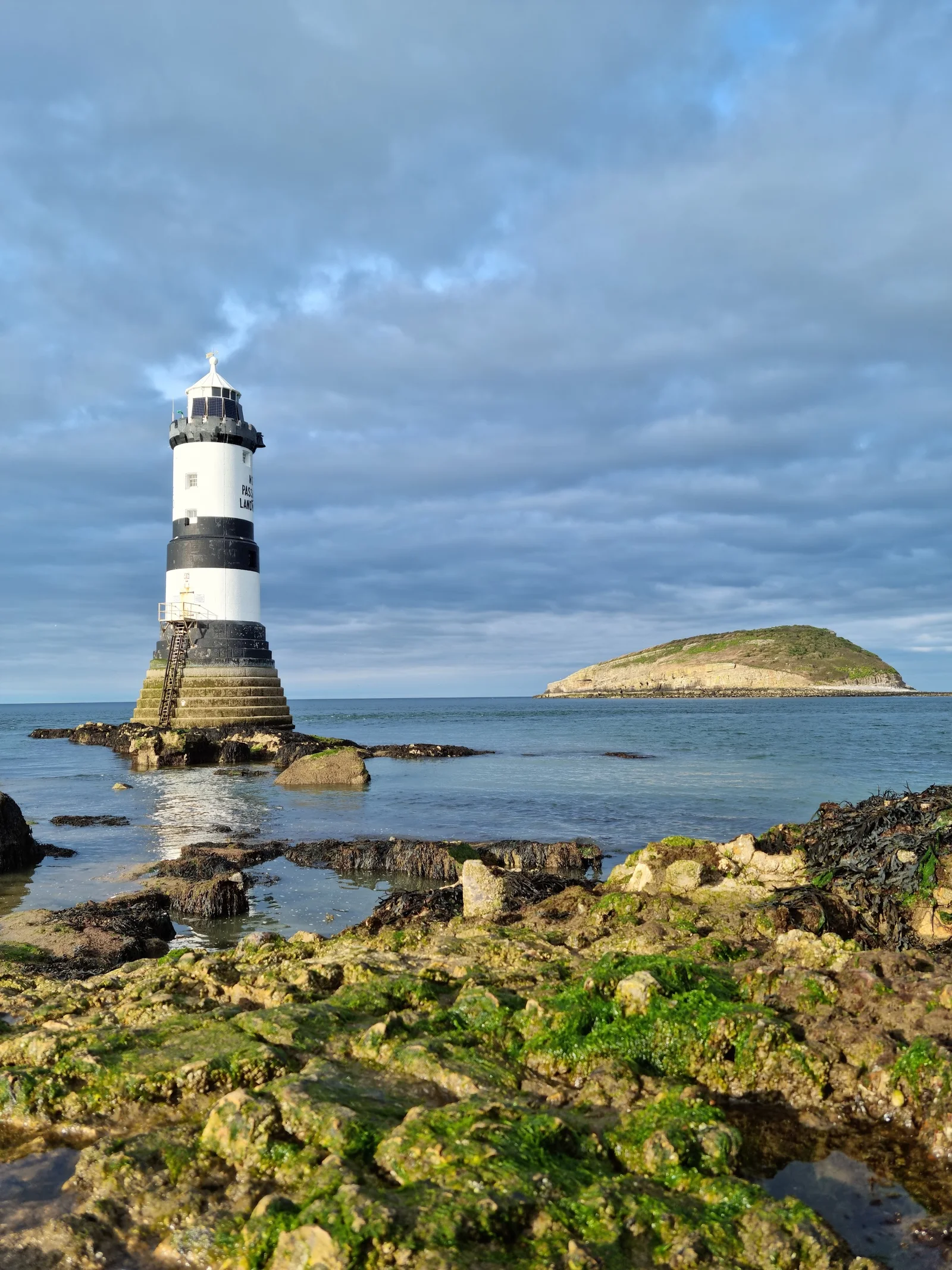
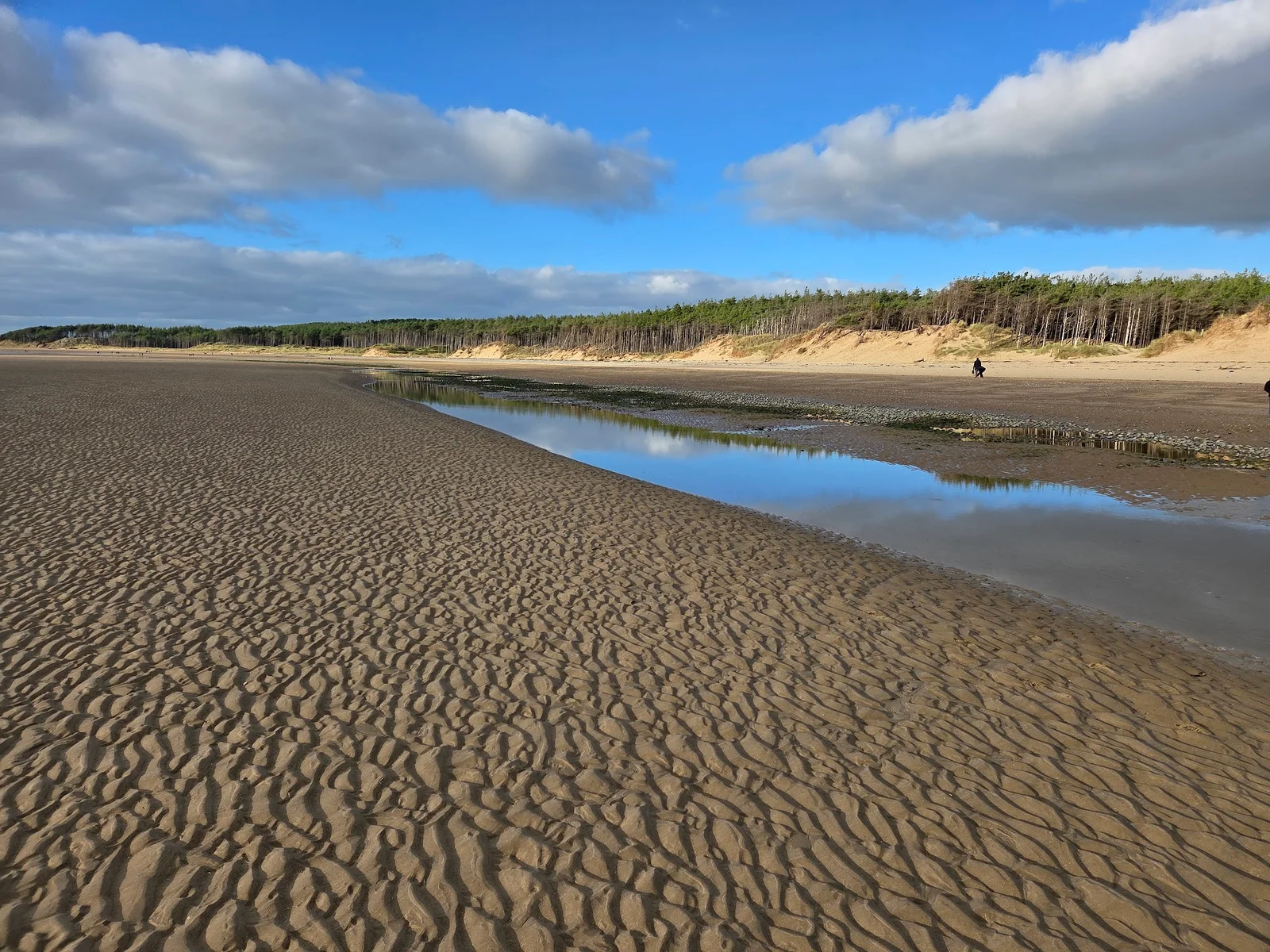
The 3.5-mile loop from Moelfre village along the Anglesey Coastal Path south to Traeth Lligwy and back through farmland passes three of the east coast's most compelling landmarks in a single outing — the memorial to the 1859 Royal Charter shipwreck (which killed 450 people in a hurricane and gave rise to new storm-warning systems across Britain), the RNLI lifeboat station of Richard Evans who won four RNLI Gold Medals, and the seabird-stacked offshore stacks that give the fishing village its Norse name (meaning 'bare hill'). The clifftop section between Moelfre and the Royal Charter memorial is the most dramatic, with the sea working at the base of low but sheer headlands and guillemots nesting on the stacks from May to July. Start from the village car park near the seafront pub, where the route is well signed; the terrain is moderate with some short climbs but nothing sustained.
Suitable for
Accessibility
Getting there & parking
Frequently asked questions
What was the Royal Charter disaster?
The Royal Charter was a clipper ship returning from the Australian gold rush when it was driven onto the rocks near Moelfre in a catastrophic storm on 26 October 1859. Around 450 people died; the disaster prompted meteorologist Robert FitzRoy to create the first national storm-warning service, the precursor to the Met Office shipping forecast.
Can we see the RNLI lifeboat station?
Yes — Moelfre's lifeboat station is on the seafront at the start of the walk and is occasionally open for visits. Richard Evans, coxswain here from 1954 to 1970, remains one of the most decorated lifeboat men in RNLI history.
Is there food in Moelfre?
The Kinmel Arms is a pub on the seafront serving food, making a natural start and finish point. There is also a small café near the car park open in summer.
Tagged