Holyhead (Caergybi) is Anglesey's largest town and its most complex. The ferry port dominates the harbour — Stena Line sailings to Dublin depart multiple times daily — and the town has the energy of a working port: functional, a little weathered, full of people going somewhere. But look harder and Holyhead rewards it. The Roman walls of Caer Gybi still stand around the medieval parish church in the town centre; the church itself has the longest documented continuous use of any in Wales.
Holyhead is actually on Holy Island (Ynys Gybi), a smaller island connected to Anglesey by twin causeways. That geography means the scenery changes dramatically within a few miles. Drive west from the ferry terminal and within 15 minutes you reach South Stack — a lighthouse on a tiny sea-stack connected by a suspension bridge, with 400 steps down the cliffs and an RSPB reserve above holding the island's largest puffin colony.
Holyhead Mountain (Mynydd Twr) rises behind the town to 220 metres — modest by mainland standards, but the circular walk from the town takes in Iron Age hill forts, coastal views from Snowdonia to Ireland, and the Coastal Path's most dramatic section. Trearddur Bay is 3 miles south: a sheltered horseshoe of turquoise water that functions as the island's beach resort.
The town centre is in regeneration, with new investment coming into the waterfront. It is not a picture-postcard place, but it has genuine grit, a diverse community, and the most dramatic immediate surroundings of any town on the island.
Things to do near Holyhead
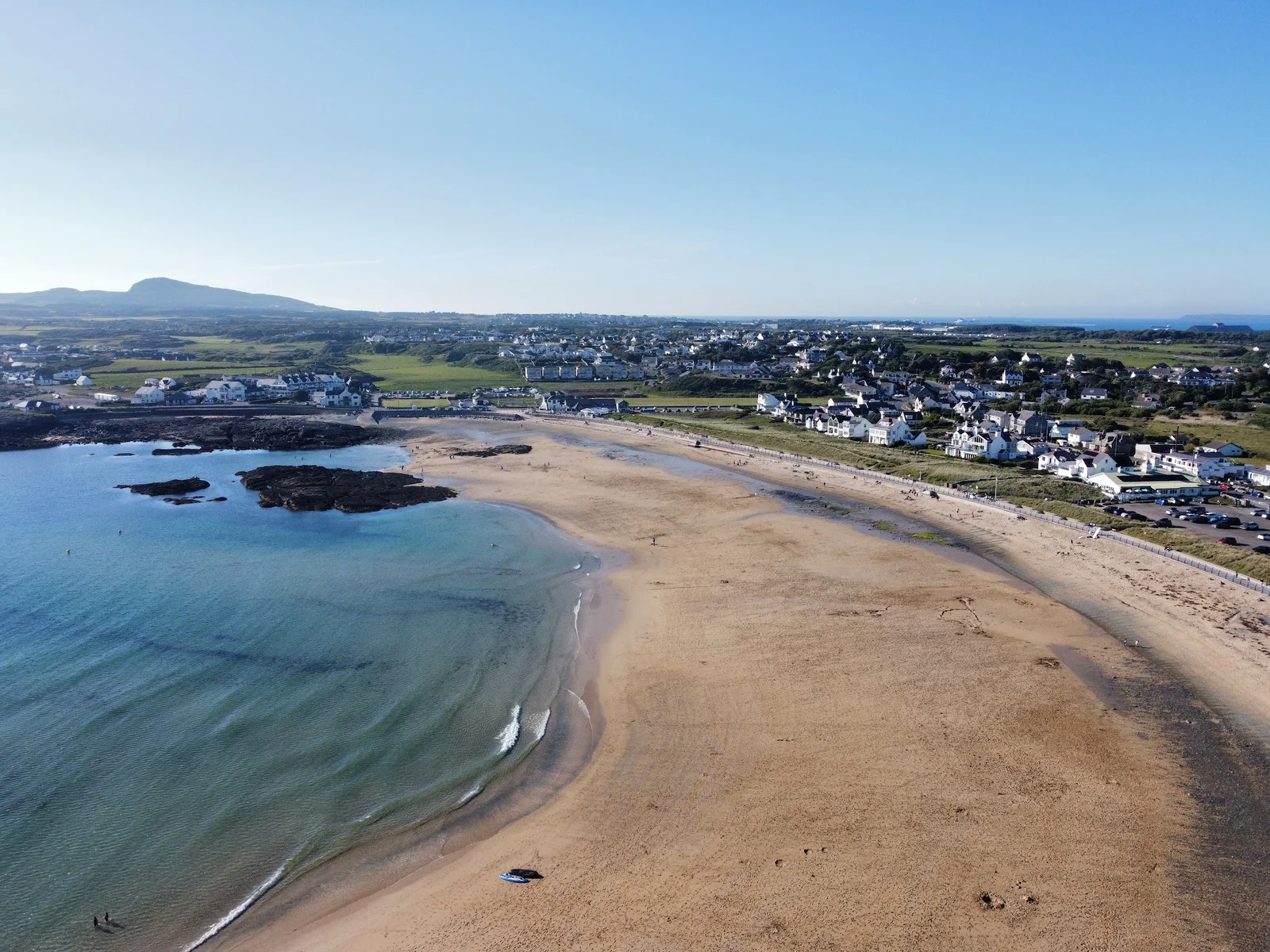 Beach
Beach Trearddur Bay Beach
A sheltered horseshoe bay on Holy Island with clear turquoise water and a gently sloping sandy bottom that makes it one of Anglesey's safest swimming beaches.
See more →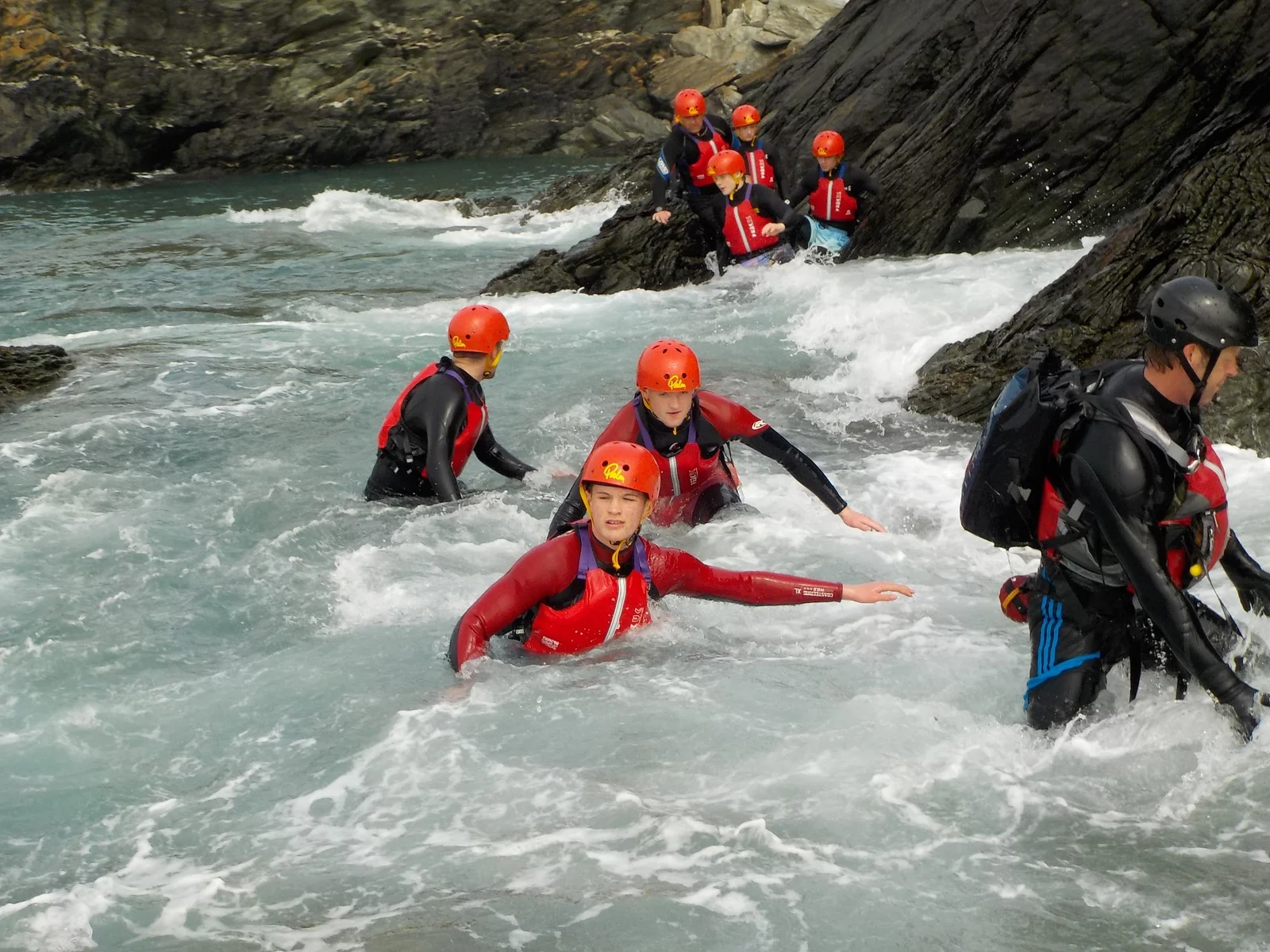 Adventure
 Coasteering on Holy Island
Anglesey Outdoors and Môn Adventures both run guided coasteering sessions on the dramatic sea-cliff coastline of Holy Island, scrambling, swimming, and cliff-jumping through caves and channels cut into ancient volcanic rock.
Book →Pleasure Flights from Anglesey Airport
Valley Flying Group and other light-aircraft operators at Anglesey Airport (IATA: VLY) offer scenic pleasure flights over the island, giving passengers a stunning aerial perspective of the coastline, Snowdonia, and on clear days the Wicklow Mountains of Ireland to the west.
See more →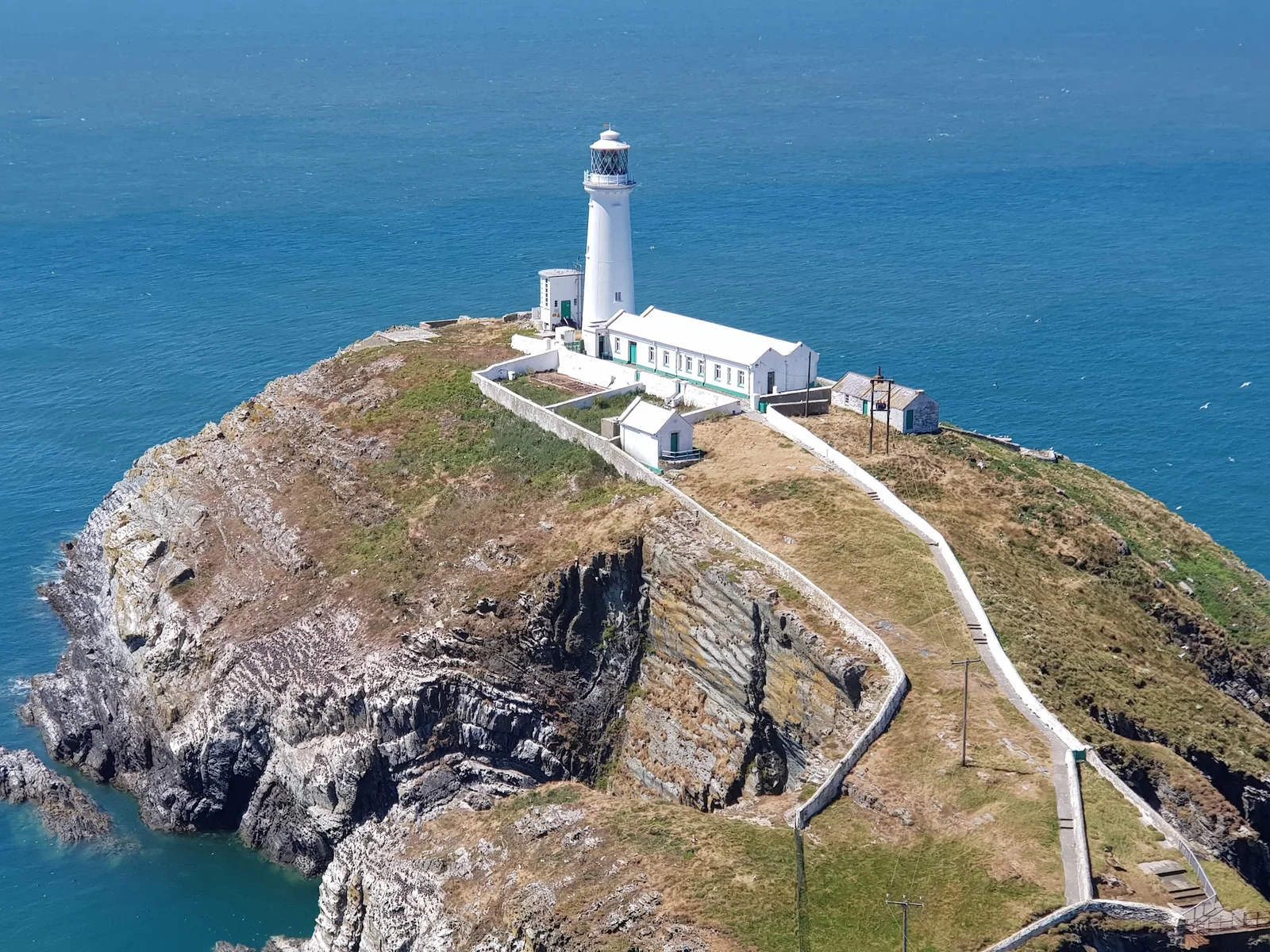 wildlife
 South Stack Lighthouse & RSPB Reserve
Perched on a tiny island connected to Holy Island by a suspension bridge, South Stack Lighthouse (1809) is one of the most dramatically positioned lighthouses in Britain — 400 steps down a cliff face, with the sea surging through the channel below.
See more →Holyhead Mountain Circular Walk
The circular walk from Holyhead town over Holy Mountain (Mynydd Twr, 220 metres) and back via the coastal path is one of the most rewarding short hikes in North Wales — a 4-mile loop with 360-degree views stretching from Snowdonia to the Wicklow Mountains of Ireland on clear days.
See more →Where to eat near Holyhead
 ££ Seafood
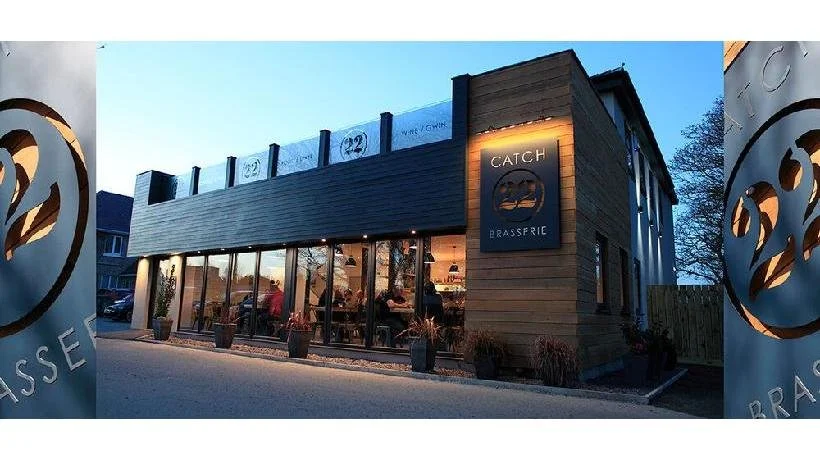
 Catch 22, Holyhead
A harbour-facing seafood café in Holyhead that drives its menu from the day's catch landed at the nearby port — dishes change depending on what came in that morning, which means the menu is small, honest, and worth making the trip for.
See more →The Sportsman, Holyhead
A harbourside pub on the edge of Holyhead's working waterfront, where ferry workers, fishermen, and the occasional foot passenger off the Dublin boat end up when they need something immediate and uncomplicated.
See more →